澗序 Jianxu
Most focus tools try to block interruptions. Our interviews pointed to the damage that comes after.
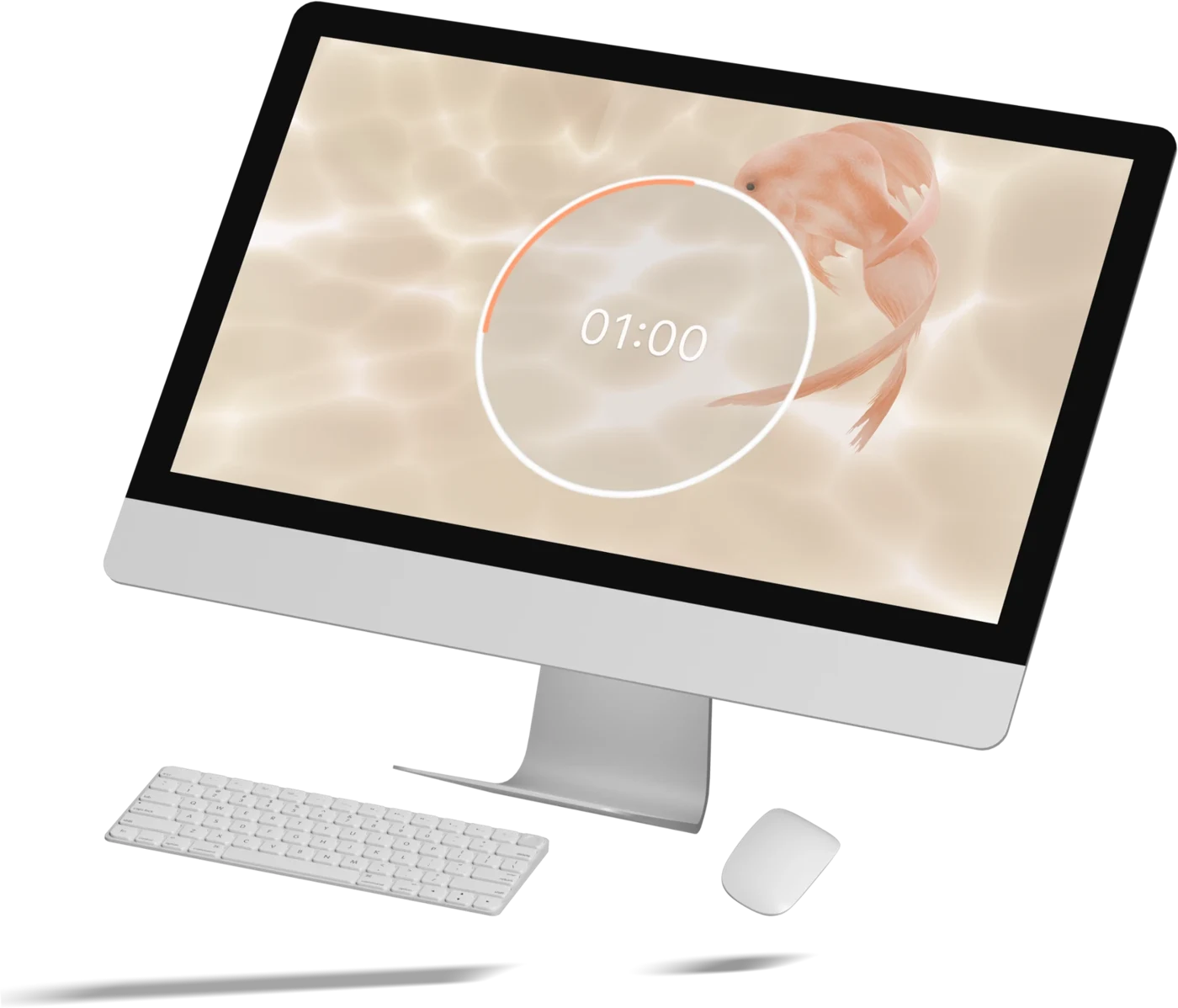
- Problem
- Most focus tools try to block interruptions, and the category is crowded.
- The turn
- After our first discussion with the professor, we dropped our blocker plug-in as crowded and risky. Twenty interviews then pointed to what follows an interruption, so we designed for the return.
- Result
- Best Research Award, OpenHCI 2025.
Situation
Developed the concept and the literature review — reading, arguing and consolidating as one team.
Designed the UI, and produced the pitch deck and the poster.
OpenHCI is Taiwan’s longest-running student-led workshop on human–computer interaction. Mixed teams take an open research brief and turn it into a product concept.
HCI topic · brief set by Prof. 畢南怡Attention switching and workflow across multiple devices. Is a shift of attention only ever a disturbance — or could it be designed as a rhythm people can anticipate and control?
澗 jiàn — a mountain stream · 序 xù — order
Block the interruption. Most focus tools already do. Our first version joined the crowd: a browser plugin that blocks distractions before they reach the user.
The turn
Some interruptions cannot be blocked, and their damage comes after.
- 14 lost motivation to return to the task
- 6 did not report this
Cannot control outside interruptions, reads that as a lack of self-discipline, and questions their own effectiveness.
Gets especially irritated when complex, deep work is broken off, and simply does not go back to it.
Feels the time was wasted, and is left with guilt.
One way to read it · Bandura's self-efficacySelf-efficacy is a person's belief that they can complete a given task. An interruption breaks the working context; if the person cannot pick it back up, that belief can drop, and the blame can turn inward.
The work
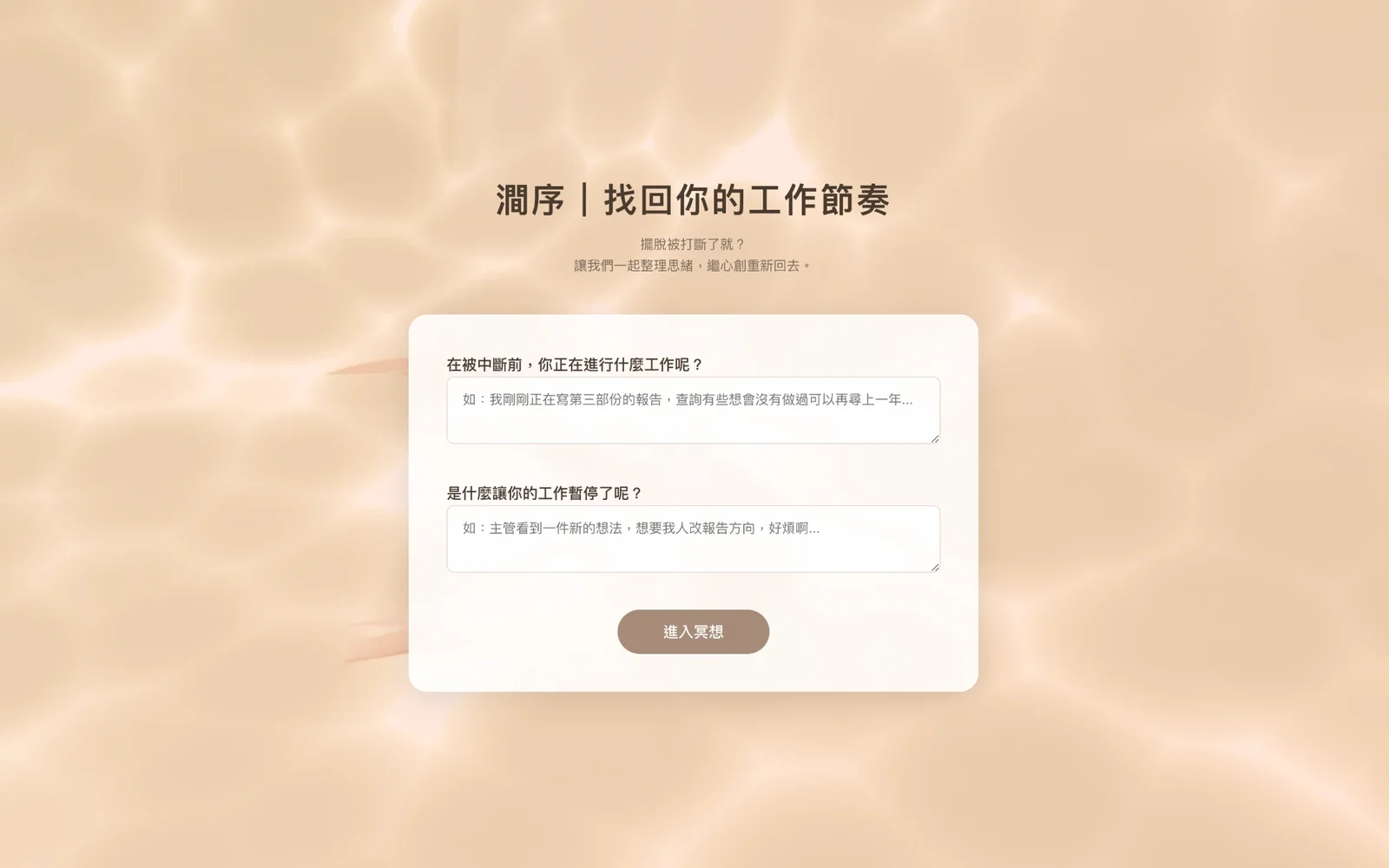
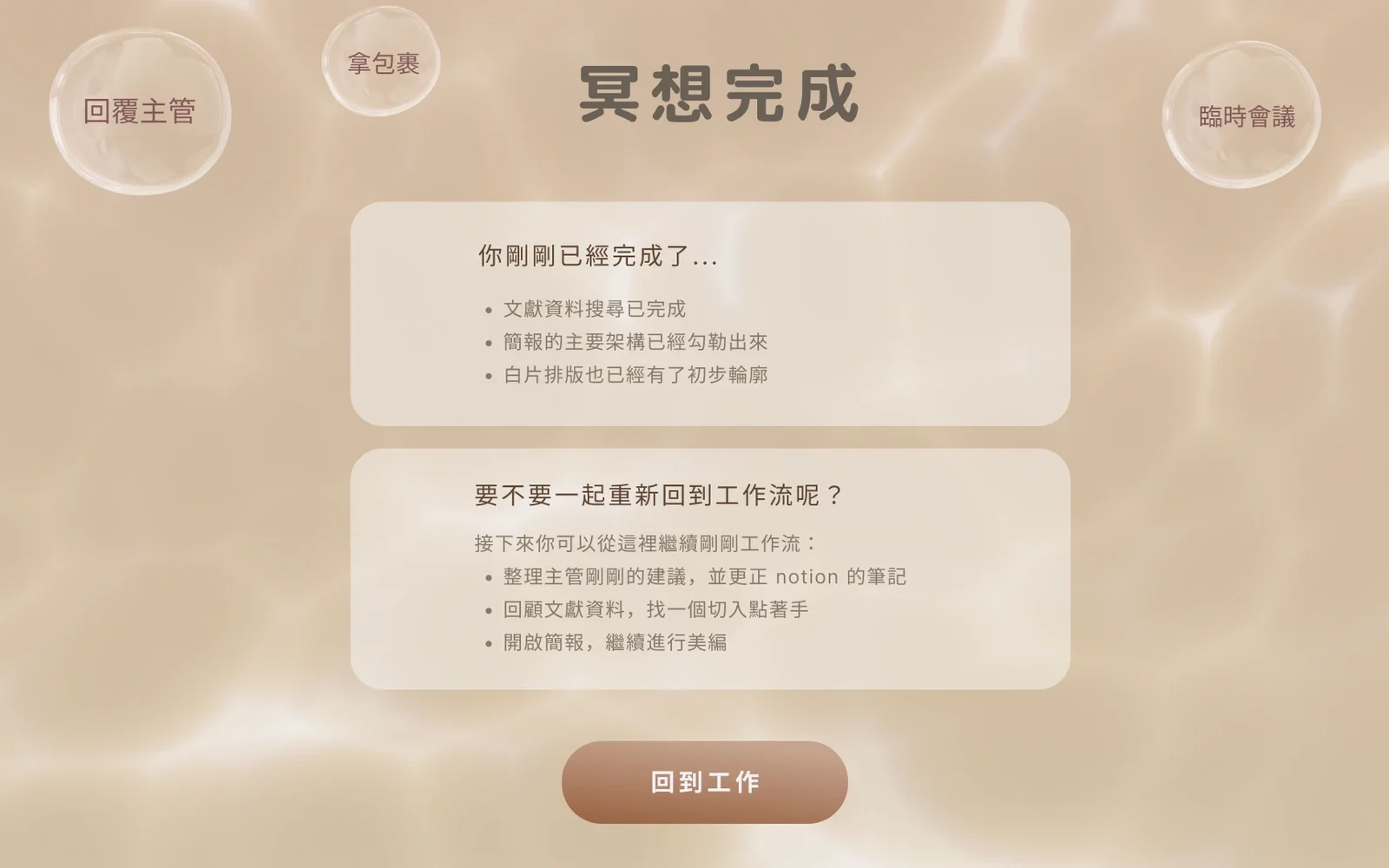
A short guided reset before going back to work. Jianxu is for self-paced knowledge workers, who rely on autonomy and tend to blame themselves when interrupted.
Time Well Spent (Guillou et al., CHI 2020) found that knowledge workers judge their time on four things: what they worked on, how they worked, how they felt and how they took care of themselves. We turned each into one step of the guided meditation.
- "What am I working on?"→Log the interruptionName the task that was broken off
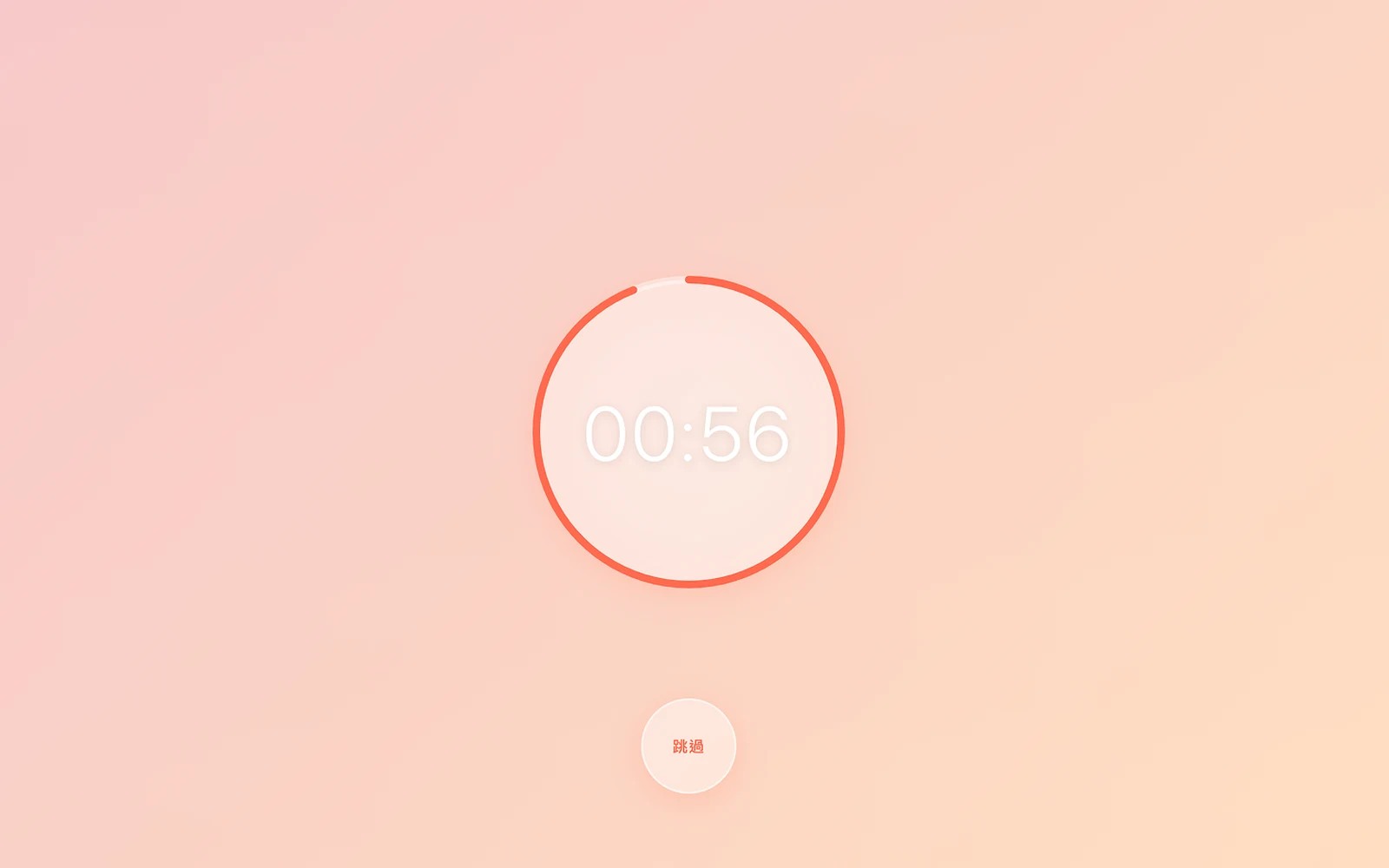
- "How am I working?"→Notice the momentFollow the guided meditation prompts
- "How do I feel?"→Feel body and emotionAcknowledge the state instead of suppressing it
- "How do I take care of myself?"→Return to yourselfGo back to the task with a clear head
Outcome
Best Research Award, OpenHCI 2025. The judges’ stated reason was the depth of the literature grounding behind the concept. The workshop ended at a concept and demo, so whether Jianxu speeds recovery or restores confidence is still untested; the next step would be to compare it with a simple note of where you left off.
The obvious answer is usually the most crowded one. Blocking interruptions was the first idea we had precisely because it is what the entire productivity market already sells, which also made it the hardest place to stand out.
Going one layer deeper into the literature and the interviews is what revealed the opening: an overlooked part of the damage happens after the interruption, in the emotional state it leaves behind. That moved the problem from crowded prevention to less crowded recovery. Meditation was the vehicle; the reframe was the insight.
A student workshop project, not a shipped product. The topic and the reading directions were set by the brief; the self-determination and meditation literature, the Time Well Spent framework and the design direction are the team’s. Research was conducted in Mandarin with knowledge workers in Taiwan; participant reactions are summarised from the team’s final presentation. Meditation evidence: International Journal of Research in Human Resource Management (2024), cited in the final presentation. Cognitive science has long studied how people resume interrupted tasks (e.g. Altmann & Trafton, 2004); our focus was the emotional side.
Next projectWisely